
Environment
Our unwavering dedication to environmental sustainability is driven by a comprehensive approach that includes energy management and efficiency, emission management, water stewardship, biodiversity conservation, waste management, and climate resilience.

We commit to integrating climate resilience and sustainability into our operations, minimising environmental impacts, enhancing resource efficiency, and contributing positively to climate action.
Our approach encompasses a broad range of initiatives targeting the following four pillars: Carbon Management and Emissions Reduction, Resource Efficiency and Circular Economy, Sustainable Water Use and Consumption, and Climate Risk Assessment and Resilience.
This holistic strategy ensures that sustainability is integrated into every aspect of our business model – from raw material sourcing and manufacturing processes to product design and end-of-life tyre management.

The tyre manufacturing industry faces significant climate-related risks due to its extensive reliance on natural resources, energy-intensive processes, and intricate supply chains.
Due to climate change, the frequency and severity of extreme weather events such as floods, hurricanes, and heat waves are increasing. These events threaten production continuity, infrastructure integrity, and supply chain logistics.
In response to these risks, we have developed robust climate resilience and business continuity strategies, focusing on enhancing supply chain resilience, investing in disaster proof infrastructure, and fostering continuous innovation to stay ahead of emerging climate risks.
At BKT, we prioritise energy efficiency in tyre manufacturing, setting new industry standards through innovative practices and processes to ensure a sustainable, greener future.
Our recent upgrades, ranging from installing energy-efficient systems to optimising resource use, are pivotal in our strategy to cut down energy consumption significantly. Additionally, we are cultivating a collaborative network of partners who share our vision of sustainability, encouraging them to adopt similar environmental stewardship principles, thus amplifying our collective impact on the planet.
Through new and ongoing initiatives involving the expansion of renewable energy use and operating efficiency, we have aligned our efforts closely to improve energy performance across our operations.
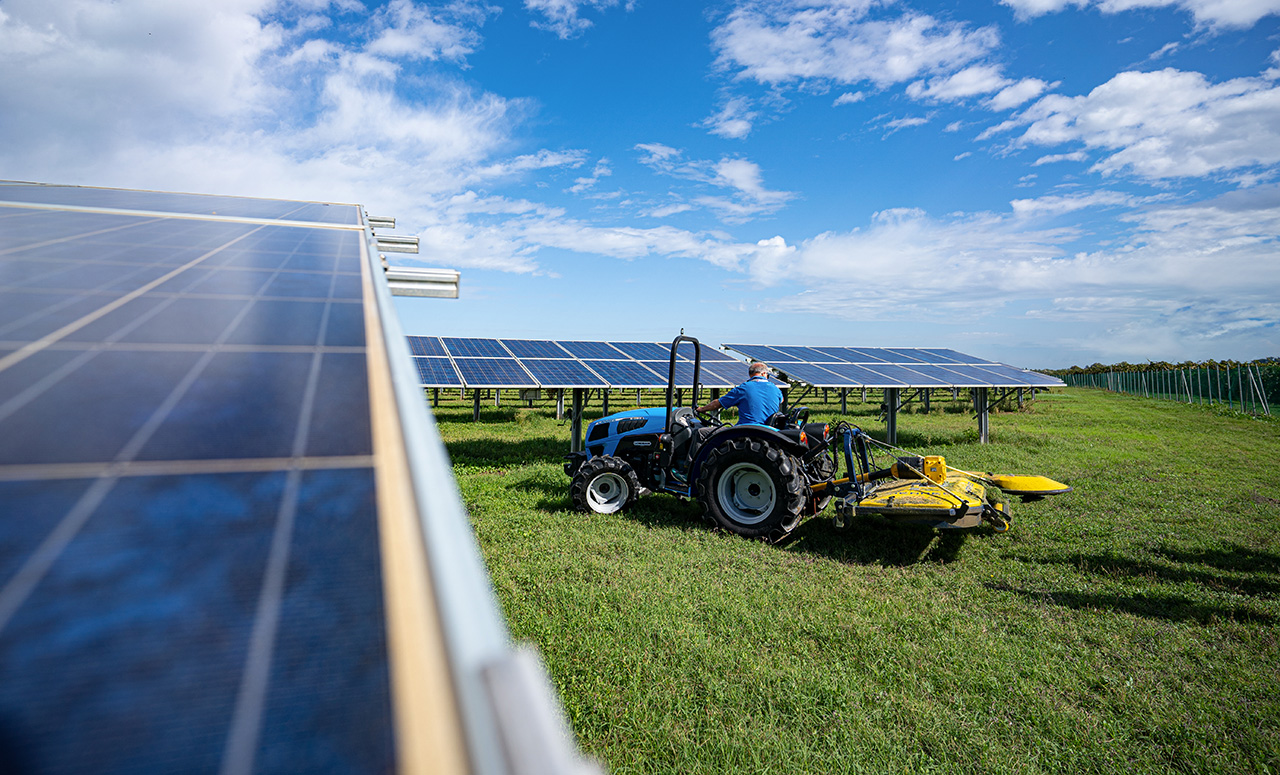
Our Carbon Plant has undertaken a series of comprehensive sustainability initiatives aimed at reducing environmental impact, enhancing energy efficiency, minimising waste, and promoting resource recycling. Actions taken included:
-
Establishing a recycling program with customers for returning used pallets to reduce plastic waste and improve resource efficiency.
-
Sourcing oil with 50% less sulphur content to lower sulphur emissions.
-
Implementing an improved design for filter bags with a 25% longer lifespan to reduce waste filter bags and improve resource efficiency.
-
Upgrading to high-temperature refractory lining to enhance combustion efficiency and improve fuel efficiency.
-
Installing a flare stack to burn off excess gas, converting harmful carbon monoxide to CO2.